We want to create the biggest online listing collection of Caves around the world!
Please add you short stay cave rentals now.
A cave is a place where our ancestors would hide from the harsh conditions outside. These days, some caves are more comfortable than most villas! We collect the most beautiful caves of the world for you to stay in!
10 Caves found
List your cave on this page?
Add linkSleeping inside the rock: a practical guide to cave houses and cave hotels
People were living in caves long before anyone built a house, and in some parts of the world they never stopped. Hillsides of soft stone were carved into homes, churches, stables and storerooms, and many of those spaces are still lived in today. Some have been restored as cave hotels, others as holiday homes rented out by the families who own them. Spending a night in one is quiet, cool and unlike any other kind of stay.
A cave is not simply a hotel room without windows, though. The rock shapes everything: the temperature, the light, the air, even how you move from one room to the next. This guide explains what daily life inside a cave is like, where the best-known cave regions are, and what to check before you book one of the stays listed on this page.
Cave dwellings around the world
Cave homes appear wherever the ground is soft enough to dig and the climate makes shelter from heat or cold valuable. Each region has its own style.
- Cappadocia, Turkey. Volcanic tuff was carved into homes, chapels and whole underground towns. Around villages such as Göreme and Ürgüp, many old cave houses are now boutique hotels, often with terraces facing the fairy chimneys and the early morning balloons.
- Matera, Italy. The Sassi, two old districts of houses dug into a limestone ravine, were once abandoned and are now a UNESCO World Heritage Site. Restored cave rooms here combine bare stone with modern comfort.
- Andalusia, Spain. Around Guadix and in other parts of the province of Granada, whitewashed chimneys poke out of the hills above cave houses that families still live in. Many are rented as self-catering homes.
- The Loire valley, France. The soft tuffeau limestone around Saumur was quarried for centuries, leaving troglodyte dwellings in the cliffs, some turned into guest rooms, wine cellars and even restaurants.
- Matmata, Tunisia. Berber families dug their homes around deep open pits, with rooms carved into the sides. A few of these pit houses welcome visitors for the night.
- Coober Pedy, Australia. In this opal mining town in the South Australian outback, many residents live in dugouts to escape the desert heat, and several underground guesthouses and apartments take travellers.
- The Loess Plateau, China. In provinces such as Shaanxi and Shanxi, yaodong cave dwellings are dug into thick yellow loess. Some rural families and guesthouses offer stays in them.
- Other rock-cut stays include the cave houses of Santorini in Greece, cave homes in the Canary Islands, and converted cliff dwellings and wine caves on several continents.
The climate inside a cave
The biggest surprise for most first-time guests is how steady the temperature is. Rock and earth act as a huge buffer, so a cave stays much the same from day to night and changes only slowly with the seasons. In a hot summer in Andalusia or the Australian outback, stepping inside feels like walking into natural air conditioning. In winter the same cave feels comfortably mild compared with the cold outside, though it rarely feels warm without some heating.
That stability comes with humidity. Stone breathes, and caves can feel slightly damp, especially in rooms deep inside the hill or after a rainy spell. Good cave accommodation manages this with ventilation shafts, chimneys, dehumidifiers and open doorways onto a patio. Ask how the owners deal with it, and do not be surprised if towels take a little longer to dry. Guests with asthma or allergies to mould should ask about the most ventilated rooms.
Light, sound and sleep
Natural light is limited in most caves. The front rooms usually have windows or glazed doors, but rooms further back may have none at all. For many guests this is the highlight: the darkness and silence inside the rock make for some of the deepest sleep you will ever have. For others it can feel closed in. If that worries you, look for a cave with a room near the entrance, a skylight or a courtyard. Waking up with no idea of the time is common, so set an alarm if you have plans.
Moving around safely
Caves were carved by hand, not built to a plan, and it shows. Expect steps between rooms, low doorways, curved walls and floors that are not quite level. Many cave hotels in Cappadocia and Matera sit on steep hillsides reached by stairs or cobbled lanes where cars cannot go. Watch your head, use a light at night and ask about access if anyone in your group has limited mobility, uses a wheelchair or struggles with stairs. Luggage on wheels is often more trouble than a bag you can carry.
Phone signal and Wi-Fi
Metres of rock block mobile signal very effectively. You may have full reception on the terrace and none at all in the bedroom. Many cave stays install Wi-Fi, but coverage can drop off in the deeper rooms. If you need to work or stay in touch, ask where the router is and whether the signal reaches the sleeping areas. If you want to switch off, a cave is one of the best places in the world to do it.
Living with heritage
Many cave districts are protected, and that affects what owners can do. In places with heritage status, such as the Sassi of Matera or the historic parts of Cappadocia, restorations are carefully controlled, so you may find fewer windows, no lift and smaller bathrooms than in a new building. Treat carved niches, old plaster and painted surfaces with care, and never drill, hang things or mark the walls. Some caves also have old cisterns, wine cellars or storerooms that owners are happy to show you if you ask.
Questions to ask before you book
- Is the whole property carved into the rock, or is it a cave with a built extension?
- Which rooms have natural light, and do the bedrooms have windows?
- How are the rooms heated in winter and ventilated in summer?
- Is there any problem with damp, and is a dehumidifier provided?
- How many steps are there to reach the entrance and between rooms?
- Can a car reach the door, or where is the nearest place to park?
- Is there mobile signal and Wi-Fi in the bedrooms?
- Are there low ceilings or doorways that tall guests should know about?
- Is breakfast or a kitchen included, and how far is the nearest shop?
Tips for a comfortable cave stay
- Pack a light layer even in summer, since the inside of the rock can feel cool in the evening.
- Bring slippers or indoor shoes. Stone floors are cold and sometimes uneven.
- Keep a small torch or your phone light by the bed for night-time trips across dark rooms.
- Air the cave by opening the door for a while on dry days, if the owners suggest it.
- Think about the season. Caves are at their best in hot summers and cold winters, when the steady temperature inside matters most. Remember that seasons are reversed in the Southern Hemisphere, so the outback summer around Coober Pedy falls in December and January.
- Book early for special events. Popular cave regions fill up at festival times and in peak seasons.
Find a cave to stay in
The cave houses, cave hotels and rock-cut stays on this page are grouped by continent, country and region, so you can explore one area at a time. Each link takes you to the owner's own website, where you can look at the rooms, check availability and book directly. Do you rent out a cave house or run a cave hotel? Add your link for free with the button above and let travellers find their way underground.
Looking for an awesome place to spend your holiday?
Or want to advertise your houseboat, lighthouse, treehouse or glamping?
Check these links below!
Blog posts
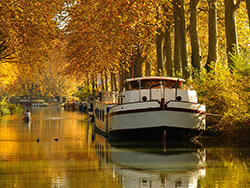
Barge river cruises in France
River cruises in France are the next luxury holiday destination. Cruise your private barge with cook down the French rivers.
Read more..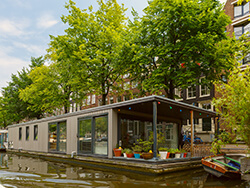
Rent a houseboat in Amsterdam
A houseboat is a great place to stay when visiting Amsterdam. Stay close to the city center but have a lot of private space.
Read more..